
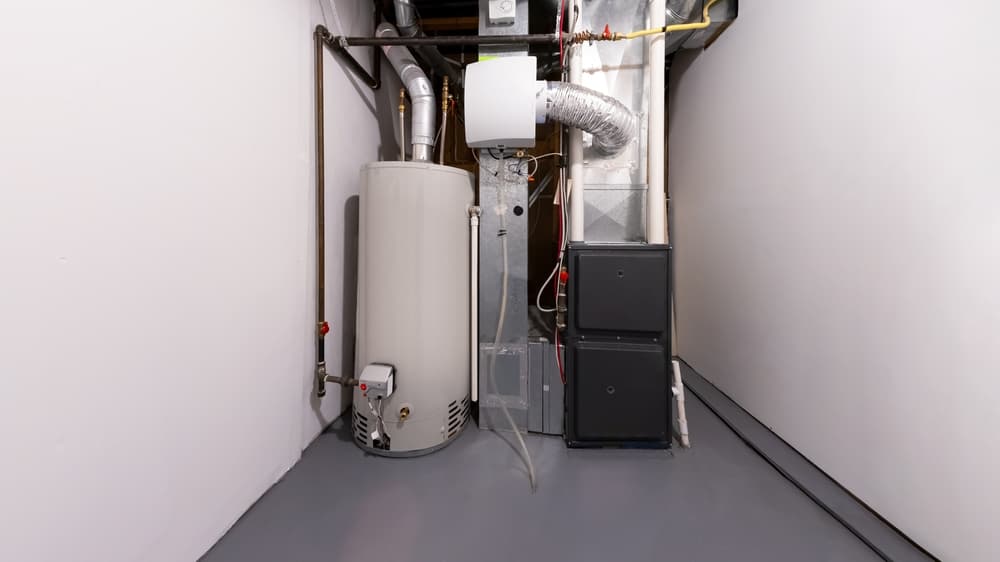
To drain a water heater: turn off the power (electric) or set the gas valve to pilot, shut the cold-water supply, let the water cool, connect a garden hose to the drain valve, open a hot tap to break the vacuum, and open the drain valve. Flush with short bursts of cold water until it runs clear, then close up, refill, and restore power. Do it at least once a year — more often with hard water.
On this page:
Why Drain Your Water Heater — and How Often?
Tools You'll Need
How to Drain a Water Heater in 8 Steps
Troubleshooting: Stuck, Clogged, or Leaking Valves
Have a Tankless Water Heater? Don't Drain — Descale
FAQs
Your water heater works every day of the year. Every one of those days, minerals in your water settle quietly to the bottom of the tank. Around Houston and the Gulf Coast, where hard water is a fact of life, that sediment layer builds fast. It's the silent culprit behind rumbling tanks, lukewarm showers, rising gas bills, and water heaters that die years before their time.
The cure is one of the most satisfying maintenance jobs in homeownership: draining and flushing the tank.
Why Drain Your Water Heater — and How Often?
As sediment accumulates, it blankets the bottom of the tank — exactly where a gas burner heats it. The heater burns more energy pushing heat through the sediment layer, the tank pops and rumbles as trapped water boils beneath the sediment, hot water output shrinks, and the tank bottom is stressed toward premature failure. Draining the tank flushes that sediment out.
The payoff: quieter operation, faster hot-water recovery, lower utility bills, and years of added lifespan.
We recommend most homes drain their water heater at least once a year, and every six months if you're on notably hard water like much of the Gulf Coast.
If your water heater is overdue for a draining, you might notice rumbling or crackling sounds, rusty or cloudy hot water, shrinking hot-water supply, or longer wait times to recover after hot water use.
Tools You'll Need
A standard garden hose (long enough to reach a floor drain, driveway, or outdoor area)
A bucket and towels
A flathead screwdriver (some drain valves have a slotted stem)
Work gloves
Optional: an adjustable wrench and a wet/dry vacuum for stubborn clogs
If your heater sits below grade with no gravity path to a drain (common in some basement installations), you'll also need a portable transfer pump to move the water up and out.
How to Drain a Water Heater in 8 Steps
Cut the heat. For an electric heater, switch off its breaker at the electrical panel. This is non-negotiable, because electric elements exposed by a draining tank will burn out in seconds ("dry firing"). For a gas heater, turn the gas control valve to "pilot" or "off." While you're here, it's worth confirming the temperature-and-pressure (T&P) relief valve is actually working: lift the test lever briefly and listen for air or a trickle of water. If nothing happens, the valve itself may need replacing — worth mentioning to a technician even if it's not why you're draining today.
Shut off the cold-water supply. Close the valve on the cold-water line entering the top of the tank.
Let the water cool. Tank water sits at 120°F or hotter. Wait a few hours (overnight is ideal), or run a hot shower first to use up some of the heat.
Connect the hose. Thread the garden hose onto the drain valve near the tank's base and run the other end to a floor drain, driveway, or safely outside — downhill all the way. If your tank sits below grade with nowhere for gravity to take the water, this is where the transfer pump comes in.
Break the vacuum. Open a hot-water tap at a nearby sink, and/or carefully lift the temperature-and-pressure (T&P) relief valve lever. Without an air path, the tank drains in slow, glugging spurts. With one, it flows freely.
Open the drain valve and empty the tank. Expect discolored water at first as sediment rides out. A 40-50 gallon tank typically takes 20-40 minutes to empty, longer if sediment slows the valve.
Flush until clear. With the drain valve still open, open the cold-water supply in short bursts. Each burst stirs remaining sediment off the tank floor and pushes it out the hose. Repeat until the water runs completely clear.
Close up and refill. Close the drain valve, remove the hose, and make sure the T&P valve is seated closed. Open the cold supply and let the tank fill, keeping that hot tap open until water flows steadily from it, which tells you the air is out. Only then restore the breaker or turn the gas valve back to "on." Give it 30–60 minutes to reheat.
Reconsidering the whole project? Between scalding water, gas valves, and electric elements, this is a job with real ways to go wrong. Weeks Service Company’s water heater team has flushed and serviced water heaters across League City and Greater Houston for more than 50 years, and our water heater repair team can drain, flush, and health-check your heater in a single visit, with upfront pricing. Call 346-595-7575 and consider it done.
Troubleshooting: Stuck, Clogged, or Leaking Drain Valves
Valve won't flow? Sediment is likely blocking it from the inside. Try briefly opening the cold supply to push water through, or attach a wet/dry vacuum to the hose end and pull the clog out.
Valve won't close or drips afterward? A grain of sediment may be lodged in the seat; open and snap it closed a few times to flush it. If it still weeps, cap the hose threads as a temporary measure and plan a proper repair — many tanks ship with cheap plastic drain valves, and upgrading to a quarter-turn brass valve during service ends the problem for good.
Tank is old and the drain is rusted shut? Stop. Forcing a corroded valve on an aging tank can turn maintenance into a flood. If your heater is past the 8–12 year mark and fighting you, it's worth a professional opinion on whether water heater replacement makes more sense than another patch. Call 346-595-7575 if you're at this point — no judgment, just a straight answer.
Have a Tankless Water Heater? Don't Drain — Descale
Tankless units don't store water, so there's nothing to drain. However, Gulf Coast minerals still scale up their heat exchangers. Instead of an annual drain, they need a periodic descaling flush, where a pump circulates a cleaning solution through the unit. It's a different procedure with its own valves and kit, and our tankless water heater services team handles it as routine maintenance, typically once a year in hard-water areas.
Why Choose Weeks Service Company
Since 1972, League City and Greater Houston homeowners have trusted Weeks to keep the hot water flowing — more than 50 years of "Always On-Time, Guaranteed" service, backed by a satisfaction guarantee, licensed and background-checked technicians (RMP 43756), no emergency fees, and financing for bigger jobs. Whether you want your tank flushed professionally, your drain valve upgraded, or an honest opinion on whether the old heater has another year in it, our League City plumbing team gives you a straight answer and an upfront price. Call 346-595-7575 or book online today.
Draining a Water Heater FAQs.
How often should I drain or flush my water heater?
Drain or flush your water heater at least once a year for most homes, and every six months in hard-water areas like the Gulf Coast, where sediment builds faster. If your tank already rumbles, pops, or delivers less hot water than it used to, don't wait for the calendar: those are signs the sediment layer is thick enough to flush now.
How long does it take to drain a water heater?
Plan on one to two hours total. The draining itself takes 20-40 minutes for a typical 40-50 gallon tank, plus cooling time beforehand, flushing until the water runs clear, and refilling afterward. Heavy sediment can slow the drain valve considerably. It’s a sign the flush is overdue and worth the wait.
Do I turn off the water heater before draining it?
Yes, always. Shut off an electric heater at its breaker so the heating elements can't burn out when the water level drops; they fail within seconds if energized dry. Set a gas heater's control valve to "pilot" or "off." Only restore power or gas after the tank is completely refilled and a hot tap flows steadily.
What do I do if the drain valve is clogged or won't close?
For a clog, open the cold supply briefly to push water through the valve, or pull the blockage out with a wet/dry vacuum attached to the hose end. For a valve that won't reseal, cycle it open and closed to flush trapped sediment; if it still drips, cap it temporarily and have a plumber fit a brass replacement valve.
My water heater is in the basement with no floor drain nearby — how do I drain it?
If gravity can't carry the water to a drain or the outdoors, a portable transfer pump moves it for you: run a short hose from the tank's drain valve to the pump, then a second hose from the pump to wherever the water needs to go. The rest of the process is the same. Rental pumps are available at most hardware stores if you don't want to buy one for an annual job.
Related Articles
What do you need help with today?
Heating
No heat, strange smells, rising bills? We repair and replace heating systems to keep your home reliably warm.
Air Conditioning
AC blowing warm air? Uneven cooling in your rooms? We fix cooling issues fast and keep your system running smoothly all summer.
Plumbing
Our highly trained plumbers handle it all, from leaky faucets to full system installations and repipes.
Electrical
The smartest team in town. You need repair, installations, wiring, inspections, lighting — you name it.